
TikTok User Donates Sneakers With Hidden AirTag At Red Cross, Tracks Them Through Europe, Finds Them 800KM Away In A Thrift Shop In Bosnia, Buys Them Back For 10 Euros

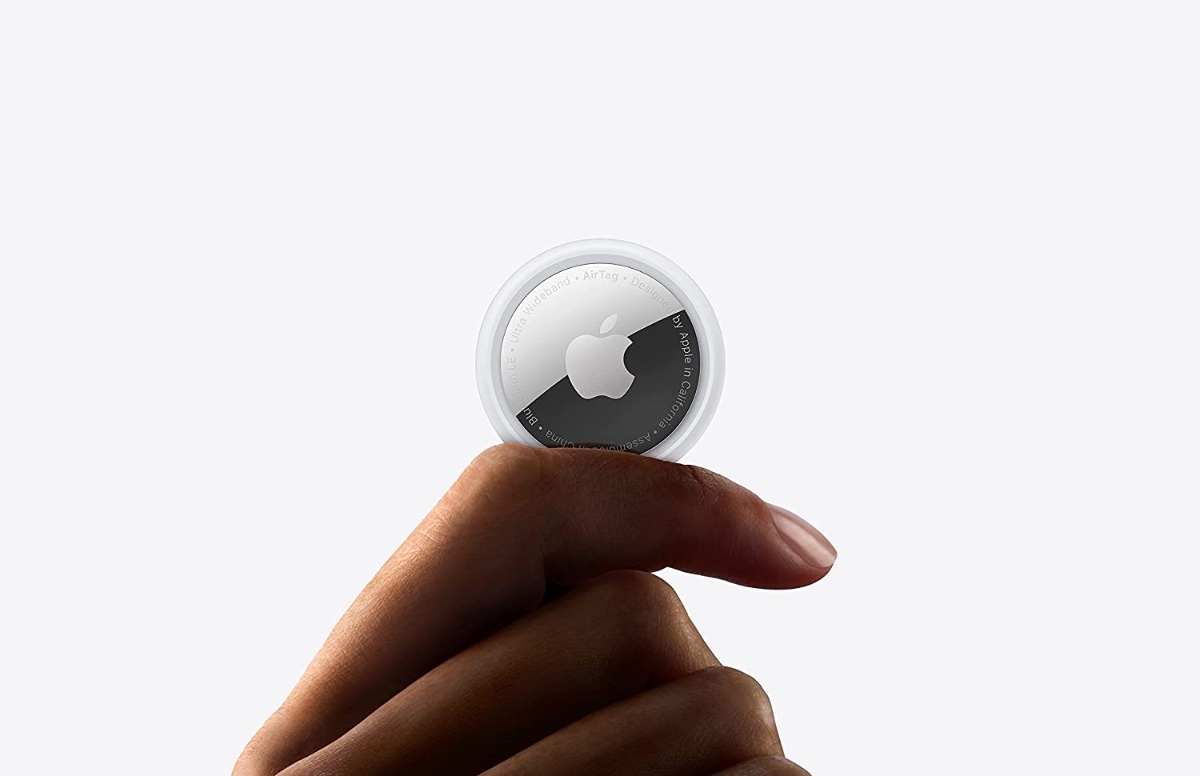
Apple’s AirTags have been used to locate luggage and even stolen vehicles, but have you ever wondered where your donations go? A user on TikTok decided to document where his pair of sneakers ended up after slipping an AirTag in one of the shoes, before he casually dropped them off at a Red Cross bin. To his and our surprise, the sneakers did not end up in the location where they were supposed to, according to the user, but the end might surprise you.
Even though it seemed like a scam at first, it was actually part of the donation curation process
TikToker Moe.Ha decided to track his sneakers after he dropped the donation at the Red Cross bin in Munich. The viral video shows how the user slipped an AirTag in one of the sneakers and tracked it using Apple’s Find My app (via MacMagazine). After five days of intensive tracking, the sneakers crossed borders and ended up in a thrift shop in Bosnia, which was 800km away from where they began their journey.
The sneakers with a hidden AirTag crossed borders and made stops in Austria, Slovenia, and Croatia before they found their resting place in a thrift store in Bosnia. The sneakers were sold for 10 euros, and it might be suspicious that you see your donations being sold instead of reaching the needy, but it all adds up in the end. The user decided to travel to Bosnia, where he saw his donation on a shelf, and naturally, he bought it back. He asked the employee where the sneakers came from, and they told him that they were delivered by her boss, who lives in Germany.
If you think there was ill intention involved, think again, as the Red Cross has a process to curate donations based on their merit and how they would best serve their goal. Check out how the German website describes the process.
“We have around 18,000 used clothing containers across Germany. (…) After that, there are two different recycling models. In the “clothing depot model,” the clothing is sorted by the German Red Cross (DRK), and suitable items are distributed to our depots and thrift shops. The surplus is sold to a recycling company. In the “recycler model,” the entire contents of the container are sold to a company. The proceeds the Red Cross receives from this support our statutory missions.”
Even though the process is clean and for the good, those not familiar with it could position it as a scam. It is rather peculiar to see how donations travel across countries hundreds of miles apart to reach their devised place on the shelves, but in the end, it is part of the curation process. What are your views on the story? Let us know in the comments.


